
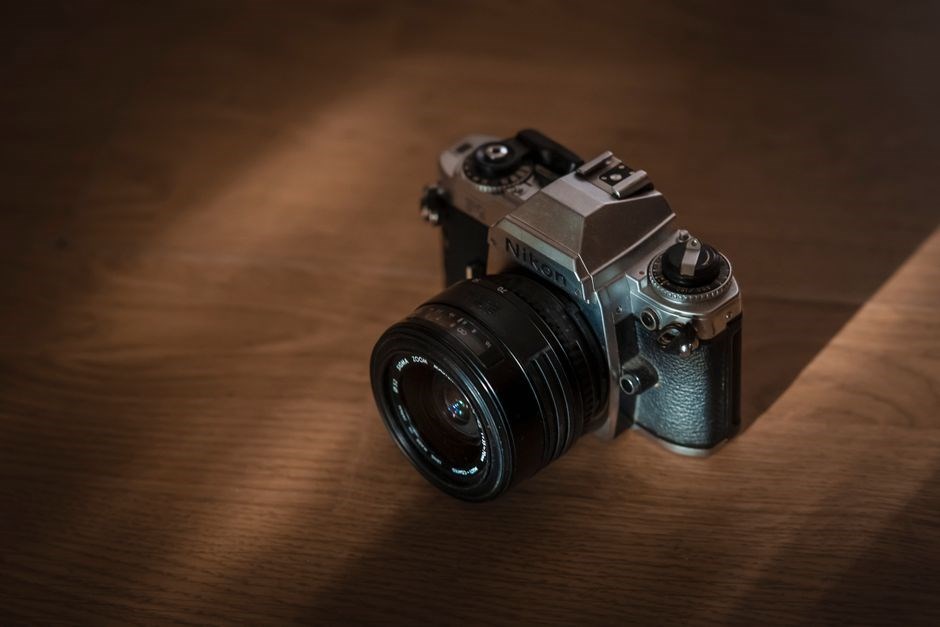
The Nikon FM2 is a legendary 35mm SLR, celebrated for its robust build, precise manual controls, and exceptional performance in low light. Its timeless design and reliable shutter make it a favorite among enthusiasts and professionals alike. Its robust shutter and classic ergonomics make it a timeless choice now
Brief History and Market Position of the Nikon FM2
The Nikon FM2 was introduced in 1982 as the successor to the iconic FM. Designed for professional photographers, it combined a rugged metal body with a high‑speed shutter capable of 1/8000 s, a feature that set it apart from contemporaries. Its manual focus system, coupled with a reliable 1/1000 s sync speed, made it ideal for studio work and fast action. The FM2’s market position was firmly anchored in the mid‑to‑high end of the 35 mm SLR segment, appealing to both seasoned pros and serious hobbyists who valued tactile control over convenience.
Over the years, the FM2 earned a reputation for durability. Its metal chassis, sealed body, and robust shutter mechanism could withstand harsh shooting environments, from desert dunes to snow‑covered mountains. The camera’s mechanical design also meant that it could be repaired with relatively inexpensive parts, a significant advantage for photographers on the.
Despite the rise of autofocus systems in the late 1980s, the FM2 continued to sell well, especially in the second‑hand market, due to its proven reliability and the fact that many photographers preferred the feel of a mechanical camera. In the 1990s, Nikon introduced the FM2n, a version with a built‑in light meter and a slightly updated shutter. However, the original FM2 continued to sell well, especially in the second‑hand market, due to its proven reliability and the fact that many photographers preferred the feel of a mechanical camera, today, the FM2 is considered a collector’s item and a staple in many photographic workshops, where its straightforward operation serves as an excellent teaching tool for fundamentals of exposure and composition.
Getting Started with Your Nikon FM2
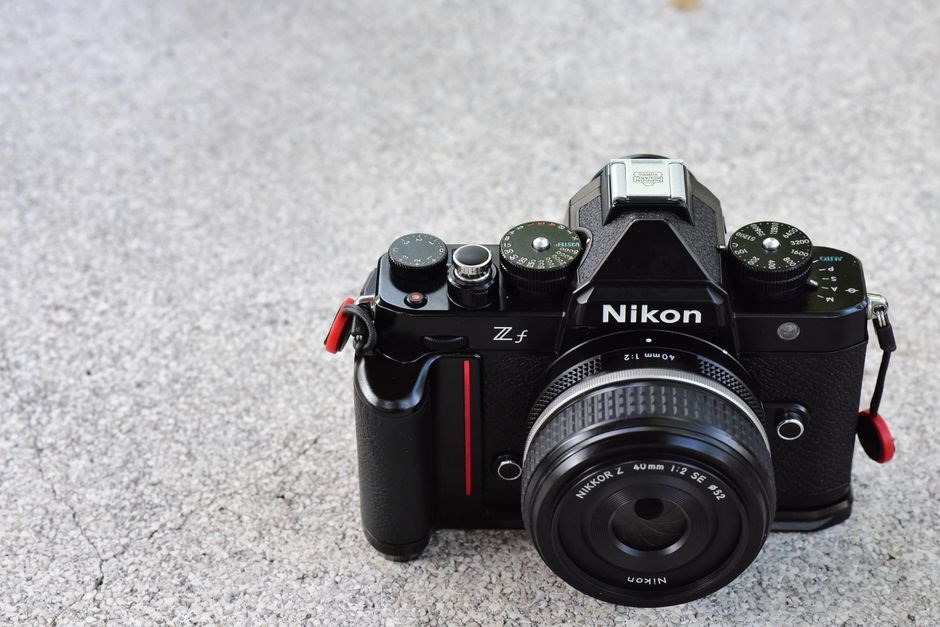
Unbox the FM2, insert a battery, attach a lens, set the mode dial to manual, and adjust shutter speed and aperture dials. Check the viewfinder focus, then fire a few test shots to confirm the shutter and mirror work. Set ISO to match film speed, and fine‑tune exposure. Practice focusing on varied subjects.!!!
Unboxing, Components, and Basic Setup Checklist
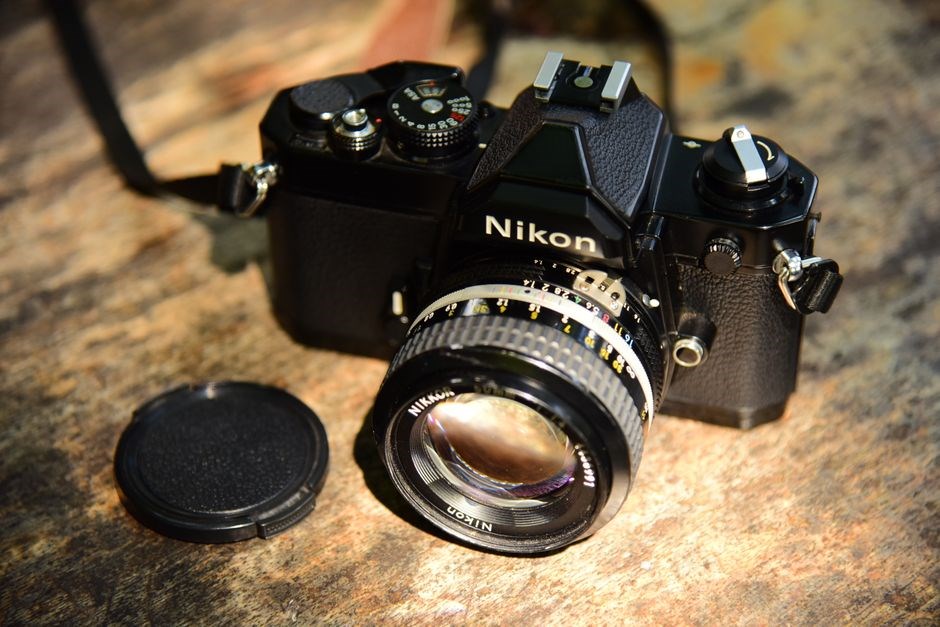
Unboxing the Nikon FM2 reveals a robust metal body, a 1/4″ screwdriver, a small instruction booklet, a battery, a spare battery, a lens cap, a tripod socket, and a protective case. The camera’s top plate hosts the shutter speed dial, aperture ring, ISO selector, exposure lock button, and shutter release lever. The back plate features the power switch, battery compartment, and a rubberized grip for comfort. The viewfinder offers 0.75× magnification with a 0.93× eye‑relief, while the built‑in meter displays exposure readings in a small window. The FM2’s mechanical shutter is rated for 100,000 cycles, ensuring durability for long‑term use.
- Camera body (metal chassis, matte finish)
- Shutter speed dial (1/1000–30 s)
- Aperture ring (f/1.4–f/22)
- ISO selector (25–4000)
- Exposure lock button
- Shutter release lever
- Power switch (back)
- Battery compartment (single AA)
- Lens mount (Nikon F)
- Viewfinder (0.75×, 0.93× eye‑relief)
- Built‑in meter display
- Tripod socket
- Protective case
Basic setup checklist: insert a fresh AA battery, attach a lens, set the mode dial to manual, adjust shutter speed and aperture dials, set ISO to match film speed, lock exposure if desired, and test the shutter by firing a few shots. Verify focus by looking through the viewfinder and adjusting the lens focus ring. Once the camera displays a correct meter reading and the shutter fires, you’re ready to shoot. Remember to keep the camera clean and store it in a dry environment and keep dry!!!

Understanding the Nikon FM2 Controls
The FM2’s controls are purely mechanical: a shutter speed dial (1/1000–30 s), an aperture ring (f/1.4–f/22), an ISO selector (25–4000), a shutter release lever, an exposure lock button, a power switch, a viewfinder with 0.75× magnification, a built‑in meter, a lens mount for Nikon F. All functions are tactile!!
Switches, Dials, and Buttons Explained
The Nikon FM2’s interface is a masterclass in mechanical simplicity, offering a tactile experience that rewards deliberate interaction. The shutter speed dial, encircling the body, ranges from 1/1000 to 30 seconds, engaging the shutter directly. Adjacent is the aperture ring, controlling the lens f‑stop from f/1.4 to f/22, while the built‑in meter reads shutter and aperture to suggest exposure. The ISO selector lever moves through 25, 50, 100, 200, 400, 800, 1600, and 3200, adjusting sensitivity without electronics. A power switch on the right toggles the camera, and an exposure lock button on the front freezes the meter reading. The shutter release lever on the left triggers the shutter. The viewfinder, a pentaprism with 0.75× magnification, provides a bright, accurate view, and the built‑in light meter is a classic open‑aperture system. The Nikon F mount, 44‑mm diameter, 46‑mm flange‑back, accepts a wide range of lenses. Each control is purely mechanical, ensuring reliability in any environment and making the FM2 a dependable tool for photographers who value precision and tactile feedback. The power switch is a button that, when pressed, illuminates an LED, battery presence. The exposure lock button, located near the shutter lever, allows the photographer to lock while adjusting settings. The camera’s built‑in meter uses a shutter‑speed‑only reading, which is displayed on a small dial inside the viewfinder, giving instant feedback. The FM2’s shutter lever is designed for quick release, with a slight resistance that confirms the shutter has fired. The camera’s body is constructed from a durable magnesium alloy, providing a solid feel and resistance to dust and moisture. The viewfinder’s bright‑eye design ensures that even in bright conditions, the image remains clear and sharp. The FM2’s mechanical design means that all adjustments are made by hand, giving the photographer full control over every aspect of exposure without relying on electronic sensors.

Camera Settings and Customization
Adjust shutter speed, aperture, and ISO manually. Use the dial for exposure, the ring for f‑stop, and the ISO selector for sensitivity. The FM2 lacks auto modes, so you set each value directly, ensuring control. No electronic presets mean purevery manual precision.!!!

The Nikon FM2 is a fully manual 35 mm SLR that places complete control in the photographer’s hands. The shutter speed dial, positioned on the front left, offers a range from 1/2000 s to 1 s, with a 1 s/2 s mode for long exposures. The aperture ring on the lens provides f‑values from f/1.4 to f/22, depending on the lens. ISO is set by the film speed; the camera’s ISO selector is a simple push‑button that locks the chosen speed into the shutter mechanism. Because the FM2 lacks automatic exposure modes, users must calculate exposure manually using the built‑in light meter. The meter displays a green or red indicator, guiding the photographer to adjust shutter or aperture for a correct exposure. For advanced users, the FM2 offers a “custom coded” feature via the shutter speed dial: by setting the dial to the “C” position, the camera can be programmed to a specific shutter speed that remains constant until the dial is moved again. This function is useful for repeating a particular exposure setting during series shooting. The camera’s mechanical shutter can be set to a “bulb” mode by engaging the 1 s/2 s switch and then pressing the shutter release, allowing exposure times longer than 2 s. The FM2’s robust construction ensures reliable operation even in harsh conditions, making it a dependable tool for both studio and field work. Its mechanical shutter delivers a crisp 1/2000 s top speed, while the 1 s/2 s mode supports creative long‑exposure photography. Its reliability and tactile interface keep photographers engaged, turning each shot into craft Durability makes it a favorite!
Lens Compatibility and Mounting Tips
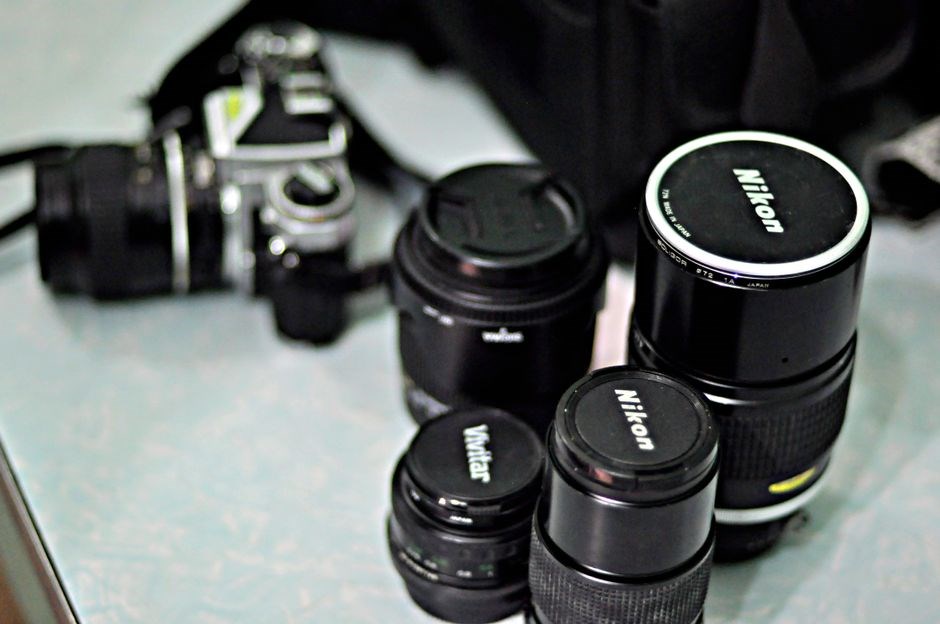
The FM2 accepts all Nikon F‑mount lenses. Use lenses with at least f/2.8 for best performance. Align the mount with the index notch, lock the bayonet, and check focus ring movement; Avoid non‑standard mounts without an adapter. Keep lens cap on to protect glass in use!
Choosing the Right Nikon F-Mount Lens for Your Needs
When selecting an F‑mount lens for the FM2, consider your shooting style, budget, and the camera’s manual‑focus nature. Prime lenses such as the 50 mm f/1.8 or 85 mm f/1.8 deliver sharp images and wide apertures for portraits, while zooms like the 24‑70 mm f/4 provide versatility for travel and events. For low‑light work, prioritize lenses with f/2.8 or faster apertures; the 35 mm f/1.4 and 50 mm f/1.4 are excellent choices. If you need a wide‑angle view, the 14‑24 mm f/4 or the 16‑35 mm f/4 are both robust and lightweight. For macro work, the 105 mm f/2.8 macro lens offers close focusing and high resolution. Always check the lens’s optical construction; a higher number of elements can reduce chromatic aberration. Keep the lens’s weight in mind—heavy lenses can strain the FM2’s body during extended shoots. Finally, consider future upgrades: many FM2 users opt for a 50 mm f/1.4 or a 70‑200 mm f/4 for a balanced kit. By matching lens characteristics to your photographic goals, you’ll maximize the FM2’s potential and enjoy a more satisfying shooting experience.
Additional considerations include lens coatings such as Nikon’s Nano or Super Multi Coating, which reduce flare and improve contrast. The FM2’s mechanical shutter is rated for 100,000 cycles, so high‑speed lenses with fast apertures can push the camera’s limits. When shooting in challenging light, a lens with a larger maximum aperture allows you to keep shutter speeds above 1/500 s, preventing motion blur. Keep a spare lens in a protective case to avoid scratches and dust when traveling!!
Using the Nikon FM2 for Different Shooting Scenarios
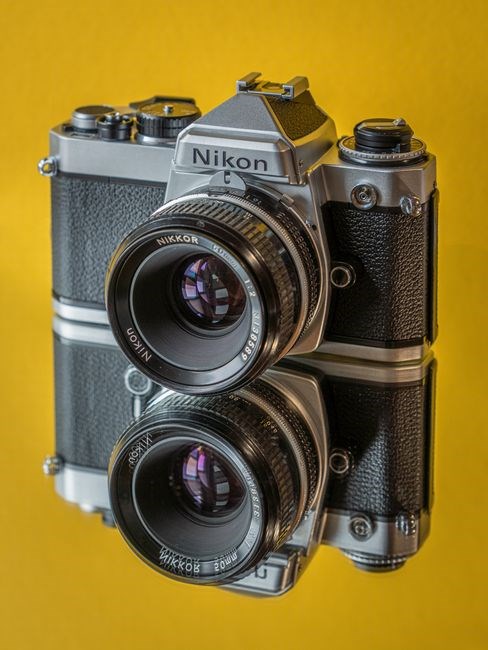
For portraits, set a wide aperture and use a 50mm prime. In landscapes, a 24‑70mm zoom balances depth. Sports benefit from a 70‑200mm telephoto, while low light demands a fast f/1.4 lens. Manual focus gives creative control. Use a tripod. for focus
Portraits, Landscapes, Sports, and Low-Light Photography Techniques
When shooting portraits with the FM2, choose a 50‑mm or 85‑mm lens to achieve flattering compression. Set a wide aperture (f/1.8–f/2.8) to isolate the subject, and use a shallow depth of field. Position the camera at eye level, and consider a reflector or diffused flash to soften harsh shadows. For landscapes, a 24‑70mm zoom offers versatility; use a tripod for stability, especially in low light. Set a narrow aperture (f/8–f/11) to maximize depth of field, and employ a slow shutter speed to capture motion blur of clouds or water. In sports, a 70‑200mm telephoto is essential; keep the shutter speed above 1/500s to freeze action, and use continuous focus if available. The FM2’s manual focus requires a quick, precise focus pull; practice focusing on a moving target before the event. Low‑light situations demand a fast lens (f/1.4–f/2) and a high ISO setting. Use a tripod or monopod to avoid camera shake, and consider a remote shutter release to eliminate vibration. The FM2’s shutter speed range of 1/2000s to 30s allows creative long exposures, but be mindful of the film’s ISO rating. Always check the exposure meter and adjust the aperture or shutter speed accordingly. In all scenarios, remember that the FM2’s manual controls give you full creative freedom; experiment with different settings to find the best results for each situation.
Mastering the FM2’s manual focus and exposure demands patience, practice, and eye for light, color, and composition.!

Maintenance, Troubleshooting, and Repair Resources
Keep the FM2 clean by wiping the body with a soft cloth and using a lens cleaning solution on optics. Replace the 4‑cell battery when voltage drops. If the shutter fails, consult Nikon’s service center or a certified repair shop; many online forums provide step‑by‑step guides. Check shutter speed for smooth.!
Cleaning, Battery Replacement, and Where to Find Parts and Service
Proper care keeps the FM2 reliable. Remove the battery pack and wipe the exterior with a soft, lint‑free cloth. Clean the viewfinder and mirror with a lens cleaning solution and microfiber pad, avoiding direct sprays. If the shutter or meter fails, replace the 4‑cell Ni‑MH battery; the power indicator confirms voltage. For timing issues, calibrate the shutter release with a stopwatch. Nikon’s authorized centers offer diagnostics and parts, while online forums provide DIY repair kits. Use original Nikon components to preserve longevity. Regular cleaning and battery replacement extend the FM2’s life. To maintain optical clarity, clean the lens mount with a brass brush and a light touch of lens cleaning fluid. Inspect the shutter mechanism annually and wipe the release lever with a microfiber cloth to prevent dust buildup. Clean the viewfinder glass with a lens cleaning pen and microfiber pad, avoiding abrasives. For film cameras, the film back and rewind lever benefit from a dust‑free environment; use a can of compressed air to dislodge particles. Keep battery contacts dry and wipe them with a cotton swab dampened in isopropyl alcohol. When replacing the battery, ensure polarity is correct and contacts are clean. If the shutter speed dial feels loose, a small amount of high‑temperature grease can be applied to the pivot. For those who wish to keep the FM2 pristine, a yearly service at a Nikon‑authorized center is recommended. Clean the focus ring to prevent dust from affecting focus. Use a microfiber cloth for all cleaning tasks. All maintenance should be careful.!!