
This guide prepares responders for safe hazmat incidents․ It covers regulations,
identification, PPE, and response procedures, utilizing resources like the ERG and SDS․
Hazardous materials (hazmat) pose significant risks to responders, the public, and the environment․ Understanding these dangers is the first crucial step in effective hazmat operations․ This introduction explores the fundamental concepts, emphasizing awareness-level knowledge as provided by the Center for Domestic Preparedness (CDP) and FEMA’s Emergency Management Institute (EMI)․
Hazmat encompasses a wide range of substances – explosives, gases, flammable liquids, toxic materials, radioactive substances, and more – each presenting unique challenges․ Initial training, like FEMA’s IS-5․A, focuses on recognizing these materials and understanding how they impact human health and the environment․ The CDP’s distance learning programs highlight identifying risks and protective actions․
Effective response begins with recognizing potential hazards․ This includes utilizing resources like the Department of Transportation’s Emergency Response Guidebook (ERG) to quickly identify substances and recommended safety measures․ Furthermore, understanding hazard communication documents, such as Safety Data Sheets (SDS), is vital for informed decision-making․ A solid foundation in these introductory concepts is essential for all levels of hazmat response․
Understanding Hazardous Materials Regulations
Navigating the complex landscape of hazardous materials regulations is paramount for safe and compliant operations․ Several agencies govern hazmat handling, transport, and emergency response, each with specific requirements․ Compliance Solutions offers comprehensive courses designed to meet standards set by the Department of Transportation (DOT), Occupational Safety and Health Administration (OSHA), the International Air Transport Association (IATA), and the International Maritime Dangerous Goods (IMDG) Code․

The DOT’s Hazardous Materials Regulations (HMR) dictate how hazardous materials are classified, packaged, labeled, and transported․ OSHA standards focus on worker safety, including hazard communication and personal protective equipment (PPE)․ IATA regulations govern air transport, while the IMDG Code applies to maritime shipping․
CHEMTREC provides valuable training resources, including online courses, books, and webinars, to help organizations stay current with these evolving regulations․ Understanding these rules isn’t merely about avoiding penalties; it’s about protecting people, property, and the environment․ Thorough training and readily available resources are crucial for maintaining compliance and ensuring a safe operating environment․
DOT Hazardous Materials Regulations (HMR)
The Department of Transportation’s (DOT) Hazardous Materials Regulations (HMR) – found in 49 CFR Parts 100-185 – are the primary rules governing the safe and secure transportation of hazardous materials in the United States․ These regulations cover the entire lifecycle of a hazardous material shipment, from classification and packaging to labeling, placarding, and shipping documentation․
Key aspects of the HMR include proper hazard communication, ensuring that all individuals involved in transportation are aware of the risks․ This is achieved through detailed labeling requirements, displaying hazard classes and divisions, and utilizing the Emergency Response Guidebook (ERG) for initial response guidance․
Compliance Solutions and CHEMTREC offer extensive training on the HMR, equipping personnel with the knowledge to accurately classify materials, select appropriate packaging, and prepare necessary shipping papers․ Understanding the HMR is critical for avoiding costly fines and, more importantly, preventing incidents that could endanger public safety and the environment․ Regular updates and comprehensive training are essential to maintain compliance․
OSHA Hazardous Materials Standards
The Occupational Safety and Health Administration (OSHA) focuses on protecting workers from hazards associated with hazardous materials in the workplace․ While DOT regulates transportation, OSHA’s standards – primarily 29 CFR 1910․1200 (Hazard Communication) and 29 CFR 1910․1450 (Occupational Exposure to Hazardous Chemicals in Laboratories) – address handling, storage, and employee training․
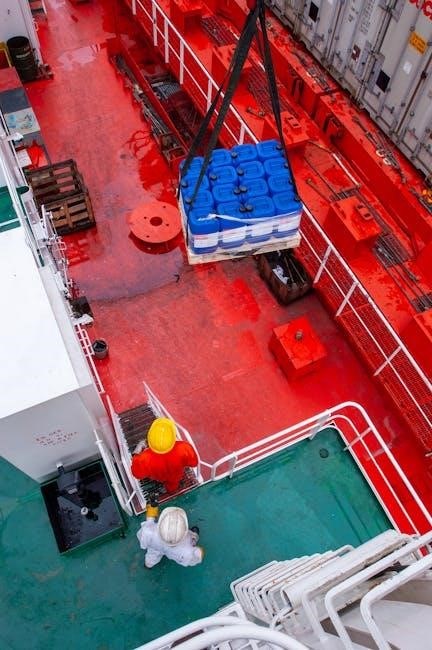
OSHA’s Hazard Communication Standard mandates employers to inform employees about the chemical hazards they face, through comprehensive training programs and readily accessible Safety Data Sheets (SDS)․ These SDS provide detailed information on chemical properties, health effects, and safe handling procedures․
CHEMTREC and Compliance Solutions provide OSHA-compliant training courses, ensuring employees understand their rights and responsibilities regarding hazardous materials․ Proper personal protective equipment (PPE) selection and use, decontamination procedures, and incident response protocols are also key components of OSHA compliance․ Maintaining a safe work environment requires a proactive approach to hazard identification and control, coupled with ongoing employee education and adherence to established safety protocols․
IATA Dangerous Goods Regulations
The International Air Transport Association (IATA) Dangerous Goods Regulations (DGR) govern the safe transportation of hazardous materials by air․ These regulations are crucial for anyone involved in shipping or handling dangerous goods via airlines, ensuring global consistency and safety standards are met․
IATA DGR is updated annually and incorporates requirements from the International Civil Aviation Organization (ICAO)․ Key aspects include proper classification, packaging, marking, labeling, and documentation of dangerous goods․ Shippers must undergo comprehensive training to understand these complex rules, often provided by organizations like CHEMTREC, offering IATA-compliant courses․
Compliance Solutions provides courses built to meet IATA standards, including downloadable materials for operational support․ Incorrectly prepared shipments can lead to severe penalties and, more importantly, jeopardize flight safety․ Understanding limitations on quantities, permitted packaging types, and specific airline variations is vital․ The IATA DGR aims to prevent incidents during air transport, protecting passengers, crew, and the environment․

IMDG Code for Maritime Transport
The International Maritime Dangerous Goods (IMDG) Code is the globally recognized standard for the safe maritime transport of hazardous materials․ It’s essential for anyone involved in shipping dangerous goods by sea, encompassing vessel operators, port authorities, and shippers themselves․ Compliance with the IMDG Code is legally mandated by most maritime nations․
Similar to IATA, the IMDG Code details requirements for classification, packaging, labeling, stowage, and segregation of dangerous goods․ It addresses specific risks associated with maritime transport, such as potential exposure to seawater and the larger scale of potential incidents․ Training programs, often offered by providers like Compliance Solutions, are crucial for understanding these regulations․
The code is periodically updated to reflect changes in technology and best practices․ Proper documentation, including the Dangerous Goods Declaration, is paramount․ Failure to adhere to the IMDG Code can result in significant fines, delays, and environmental damage․ Effective implementation ensures the safety of the marine environment, ship crews, and port personnel․
Hazard Identification
Accurate hazard identification is the cornerstone of any effective hazmat response․ It begins with recognizing potential indicators – shipping papers, placards, labels, and even physical characteristics like unusual odors or colors․ The Department of Transportation’s Emergency Response Guidebook (ERG) is an invaluable tool, providing initial hazard information based on UN identification numbers and proper shipping names;
Understanding hazard classes and divisions is critical; these categorize materials based on their primary risk (e․g․, flammable, corrosive, toxic)․ Hazard communication documents, specifically Safety Data Sheets (SDS), offer detailed information about a substance’s properties, hazards, and safe handling procedures․ Awareness-level training, such as that offered by the Center for Domestic Preparedness, emphasizes recognizing these cues․
Effective identification isn’t solely about knowing the name; it’s about understanding the potential consequences of exposure․ CHEMTREC provides resources and training to enhance these skills․ Correct identification dictates the appropriate PPE, response strategies, and protective actions for both responders and the public․
Emergency Response Guidebook (ERG)
The Emergency Response Guidebook (ERG) is a crucial resource for first responders during hazardous materials incidents․ Published by the U․S․ Department of Transportation, it provides a rapid, readily accessible source of information for initial response actions․ The ERG is organized by four-digit UN identification numbers, found on shipping papers and placards, allowing quick lookup of potential hazards․
Each ERG entry includes hazard information, potential health effects, fire or explosion hazards, and recommended protective actions․ Color-coded sections highlight the severity of the hazard (blue, yellow, orange, white)․ It details initial isolation zones, evacuation procedures, and fire control measures․ The CDP’s Hazardous Materials Awareness training specifically focuses on utilizing the ERG․
While not a substitute for detailed SDS information, the ERG provides vital guidance until more comprehensive data is available․ Responders must understand how to interpret the ERG’s coding system and apply its recommendations effectively․ CHEMTREC’s training materials often incorporate ERG utilization for practical application․
Hazard Classes and Divisions
Hazardous materials are categorized into nine distinct classes based on their primary hazard․ These classes, defined by the DOT’s Hazardous Materials Regulations (HMR), dictate the level of risk and the appropriate response protocols․ Class 1 encompasses explosives, while Class 2 covers gases – flammable, non-flammable, and poisonous․ Class 3 includes flammable liquids, and Class 4 covers flammable solids, spontaneously combustible materials, and dangerous when wet substances․
Classes 5 and 6 address oxidizers and organic peroxides, and toxic and infectious substances, respectively․ Class 7 is reserved for radioactive materials․ Classes 8 and 9 cover corrosive substances and miscellaneous hazardous materials, respectively․ Each class is further divided into divisions, specifying the nature of the hazard more precisely․
Understanding these classifications is fundamental to proper placarding, labeling, and emergency response․ Training programs, like those offered by Compliance Solutions, emphasize recognizing these hazard classes and their associated risks․ The ERG utilizes these classifications for quick hazard identification and response guidance․
Placarding and Labeling Requirements
Proper placarding and labeling are crucial for communicating hazards during transportation․ The DOT’s HMR mandates specific placards on transport vehicles based on the hazard class of the materials being carried․ These placards are large, diamond-shaped displays providing a visual warning of the potential dangers․ Labeling, on the other hand, applies to individual packages and containers, utilizing smaller, hazard-specific labels․
Placard requirements depend on the quantity and type of hazardous material․ Certain materials require placards on all four sides of the vehicle, while others may only need them on opposite sides․ Labels must be durable and clearly visible, adhering to strict size and color specifications․ CHEMTREC training emphasizes accurate placard selection and placement․
Failure to comply with placarding and labeling regulations can result in significant fines and penalties․ These requirements are essential for ensuring the safety of transportation personnel, emergency responders, and the public․ The Emergency Response Guidebook (ERG) references placard information for initial hazard assessment․
Personal Protective Equipment (PPE)

Selecting the appropriate Personal Protective Equipment (PPE) is paramount when responding to hazardous materials incidents; PPE acts as a barrier between responders and the hazards, minimizing exposure risks․ The level of protection required depends on the identified hazards and the operational task being performed․ A thorough hazard assessment is the first step in PPE selection․
Basic PPE includes gloves, eye protection, and respiratory protection․ However, more complex scenarios may necessitate the use of fully encapsulating suits, providing the highest level of protection․ Understanding the limitations of each PPE type is critical; no single suit protects against all hazards․ Training, as offered by organizations like the CDP, emphasizes proper donning and doffing procedures to prevent contamination․
CHEMTREC resources highlight the importance of regular PPE inspection and maintenance․ Damaged or compromised PPE offers reduced protection․ Proper decontamination procedures are also essential to prevent the spread of contamination․ Choosing the right PPE is a life-saving decision․
Levels of Protection
Hazardous materials response utilizes a tiered system of protection, ranging from Level A – the highest – to Level D – the lowest․ Each level dictates the specific PPE required, based on the potential for exposure․ Level A provides complete structural protection against solids, liquids, and gases, employing fully encapsulating suits and self-contained breathing apparatus (SCBA)․
Level B offers a high level of protection for respiratory hazards and splashes, typically involving SCBA with a full-body suit․ Level C utilizes air-purifying respirators (APRs) and protective clothing for known, lower-concentration contaminants․ Finally, Level D provides basic protection, often consisting of gloves and eye protection, suitable for situations with minimal exposure risk․
Selecting the correct level is crucial, guided by the hazard assessment and the Emergency Response Guidebook (ERG)․ Training, such as that offered by FEMA’s EMI, emphasizes understanding these levels and their appropriate applications․ CHEMTREC’s resources reinforce the importance of matching protection to the specific threat․
Respiratory Protection
Respiratory protection is paramount in hazmat operations, safeguarding responders from inhalation hazards․ The selection hinges on identifying the contaminant, its concentration, and oxygen levels․ Self-Contained Breathing Apparatus (SCBA) provides the highest level of protection, supplying breathable air independent of the surrounding atmosphere – essential for IDLH (Immediately Dangerous to Life or Health) environments․
Air-Purifying Respirators (APRs) filter contaminants from the air, suitable for known hazards at safe concentrations․ These require appropriate cartridges or canisters specific to the chemical threat․ Proper fit-testing is critical for both SCBA and APRs, ensuring a secure seal and effective protection․ Training, like that from the Center for Domestic Preparedness, emphasizes correct usage and limitations․

Understanding respiratory hazards and selecting the appropriate protection, as detailed in OSHA standards and CHEMTREC resources, is vital․ Regular maintenance and inspection of respiratory equipment are also crucial for operational readiness and responder safety․
Chemical Protective Clothing
Chemical Protective Clothing (CPC) forms a crucial barrier against dermal exposure during hazmat incidents․ Selection depends on the hazard’s properties – concentration, permeability, and duration of contact․ Levels of protection range from Level D (basic work clothes) to Level A (fully encapsulating suit), each offering increasing protection․
Level A suits, essential for IDLH atmospheres, are vapor-tight and require SCBA․ Lower levels utilize materials like Tyvek or Saranex-laminated suits, offering splash or limited chemical resistance․ Proper donning and doffing procedures are critical to prevent contamination, emphasized in training from organizations like FEMA’s EMI․
Understanding permeation rates – how quickly a chemical passes through a material – is vital․ CHEMTREC’s resources highlight the importance of selecting CPC compatible with the specific hazard․ Regular inspection for tears or damage, alongside proper decontamination procedures, ensures continued effectiveness and responder safety․ Compliance Solutions offers courses covering these standards․
Hazard Communication
Effective hazard communication is paramount for safe hazmat operations․ It ensures responders understand the risks associated with materials and how to protect themselves․ This system relies heavily on readily accessible information, primarily through Safety Data Sheets (SDS) and proper labeling․
The SDS, a standardized document, details a chemical’s properties, hazards, handling procedures, and emergency measures․ Training, as offered by the Center for Domestic Preparedness, emphasizes interpreting SDS information to determine appropriate PPE and response tactics․ Hazard communication also extends to placarding, clearly identifying hazards during transport․
CHEMTREC’s training catalog stresses the importance of comprehensive hazard communication programs․ These programs must comply with OSHA standards, ensuring employees are informed about chemical hazards in their workplace․ Understanding hazard classes and divisions, alongside utilizing resources like the Emergency Response Guidebook (ERG), are integral components of effective communication and incident mitigation․
Safety Data Sheets (SDS)
Safety Data Sheets (SDS) are critical documents providing comprehensive information about hazardous materials․ They are the cornerstone of hazard communication, detailing a substance’s properties, potential health effects, safe handling practices, and emergency control measures․ Understanding SDS sections is vital for effective response․
An SDS typically includes sixteen sections, covering identification, hazard(s) identification, composition/information on ingredients, first-aid measures, fire-fighting measures, accidental release measures, handling and storage, exposure controls/personal protection, physical and chemical properties, stability and reactivity, toxicological information, ecological information, disposal considerations, transport information, regulatory information, and other information․
Training, such as that offered by CHEMTREC and the Center for Domestic Preparedness, focuses on interpreting SDS data to select appropriate Personal Protective Equipment (PPE) and implement effective decontamination procedures․ FEMA’s EMI course IS-5․A highlights the importance of SDS in understanding how hazardous materials impact human health and the environment․ Proper SDS management is essential for regulatory compliance (DOT, OSHA, IATA, IMDG)․
Hazard Communication Training
Effective hazard communication training is paramount for protecting personnel during hazmat incidents․ This training ensures responders can readily access and understand crucial information about hazardous materials, minimizing risks and maximizing safety․ It’s a core component of compliance with OSHA, DOT, IATA, and IMDG regulations․
Comprehensive programs, like those offered by CHEMTREC and the Center for Domestic Preparedness, emphasize interpreting Safety Data Sheets (SDS), understanding labeling requirements, and utilizing resources like the Emergency Response Guidebook (ERG)․ Training should cover hazard classes, potential health effects, appropriate PPE selection, and emergency procedures․
FEMA’s EMI course IS-5․A introduces fundamental terms and concepts related to hazardous materials, forming a foundation for more advanced training․ The goal is to empower responders to identify risks, implement protective actions, and communicate effectively about hazards․ Continuous education and refresher courses are vital to maintain competency and adapt to evolving regulations and best practices․
Incident Command System (ICS)
The Incident Command System (ICS) is a standardized, on-scene management system crucial for effective hazmat incident response․ It provides a clear organizational structure, enabling efficient communication and coordination among responders, regardless of agency or jurisdiction․ ICS ensures a unified approach to incident management, maximizing resource utilization and minimizing confusion․
Understanding roles and responsibilities within the ICS framework is essential․ Key positions include the Incident Commander, Safety Officer, Hazardous Materials Specialist, and Operations Section Chief․ Each role has specific duties to ensure a safe and controlled response․ Developing a comprehensive Incident Action Plan (IAP) is a core ICS function, outlining objectives, strategies, and resource allocation․
Effective ICS implementation facilitates seamless integration with local emergency plans and supports a scalable response tailored to the incident’s complexity․ Training in ICS principles, offered through FEMA and other organizations, is vital for all hazmat responders, fostering interoperability and enhancing overall preparedness․
Roles and Responsibilities
Within a hazmat incident, clearly defined roles and responsibilities are paramount for a safe and effective response․ The Incident Commander (IC) assumes overall authority, responsible for all incident activities, including strategy development and resource allocation․ The Safety Officer monitors conditions, ensuring responder safety and enforcing safety protocols․
The Hazardous Materials Specialist provides expert knowledge on the properties and hazards of the involved substances, aiding in risk assessment and mitigation․ Operations Section Chiefs direct tactical operations, managing teams involved in containment, control, and cleanup․ Logistics manages resources, including PPE, communications, and transportation․
Effective communication between these roles, facilitated by the ICS structure, is critical․ Each responder must understand their assigned duties and reporting lines․ Training programs, like those offered by CHEMTREC and the CDP, emphasize these responsibilities․ Proper role assignment minimizes confusion and maximizes efficiency during a complex hazmat event, ultimately protecting responders and the public․
Developing an Incident Action Plan
A well-structured Incident Action Plan (IAP) is the cornerstone of a successful hazmat response․ This plan, developed within the Incident Command System (ICS), outlines objectives, strategies, and tactical actions for managing the incident․ It begins with a thorough hazard assessment, utilizing resources like the Emergency Response Guidebook (ERG) and Safety Data Sheets (SDS) to understand the material’s properties and potential risks․
The IAP details specific tasks, assigns responsibilities to teams (Operations, Logistics, Planning), and establishes clear communication protocols․ It includes provisions for responder safety, PPE requirements, and decontamination procedures․ Resource allocation – personnel, equipment, and supplies – is meticulously documented․
Training from FEMA’s EMI and providers like CHEMTREC emphasizes IAP development․ The plan must be flexible, allowing for adjustments based on changing conditions․ Regular briefings ensure all personnel understand their roles and the overall strategy․ A comprehensive IAP minimizes risks, maximizes efficiency, and ensures a coordinated response to the hazmat incident․
Decontamination Procedures
Effective decontamination is crucial following a hazmat incident, protecting responders, victims, and the environment․ Procedures vary based on the contaminant, but generally involve removing the hazardous substance from people, equipment, and affected areas․ The Incident Action Plan (IAP) must detail specific decontamination protocols, including the chosen methods and necessary PPE․
Decontamination corridors, established upwind and uphill from the incident, are essential․ Gross decontamination, removing visible contamination, precedes detailed decontamination, targeting residual hazards․ Techniques range from simple washing with soap and water to specialized chemical neutralization․
Personnel decontamination follows a tiered approach: removing outer layers of PPE, washing exposed skin, and providing medical evaluation․ Equipment decontamination prevents secondary contamination․ Waste management, a critical component, ensures proper disposal of contaminated materials․ Training, such as that offered by CHEMTREC, emphasizes safe and effective decontamination practices, minimizing further exposure and environmental impact․
Decontamination Methods
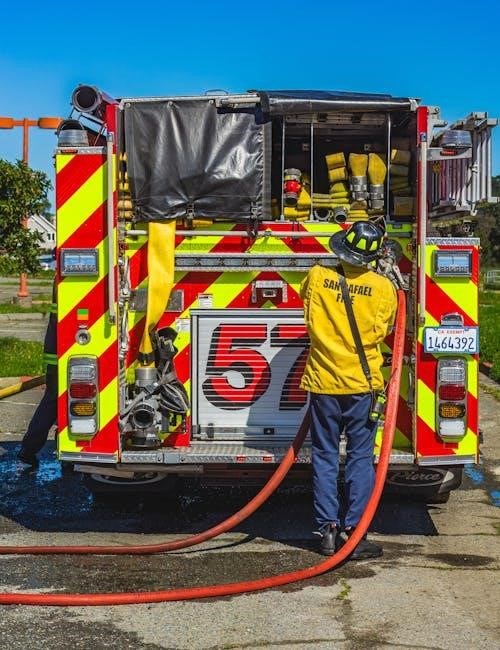
Various decontamination methods exist, selected based on the hazard’s properties and the situation․ Physical removal, like brushing or vacuuming, addresses surface contamination․ Dilution, using water or other fluids, reduces concentration, but requires careful containment of runoff․ Neutralization employs chemical reactions to render the hazard harmless, demanding precise application and verification․

Absorption utilizes materials like activated charcoal or vermiculite to bind contaminants․ Encapsulation surrounds the hazard with a sealing agent, preventing spread․ Specialized decontamination solutions, often tailored to specific agents, offer targeted effectiveness․ Choosing the correct method is paramount, considering compatibility with materials and potential byproducts․
Training from sources like FEMA’s EMI courses emphasizes understanding these techniques; Proper PPE is vital during all decontamination operations․ Post-decontamination monitoring confirms effectiveness, ensuring residual hazards are minimized․ Effective waste management is integral, adhering to regulations for safe disposal of contaminated materials, protecting both personnel and the environment․

Waste Management
Proper hazardous waste management is crucial post-incident, governed by strict regulations․ This encompasses identification, segregation, and packaging of contaminated materials․ Waste streams must be categorized – solid, liquid, or mixed – influencing disposal methods․ Containers must be compatible with the waste, properly labeled, and secured to prevent leaks or spills during transport․

Regulations from DOT, OSHA, and potentially IATA/IMDG dictate handling and documentation requirements․ Manifests track waste from origin to final disposal facility, ensuring accountability․ Treatment options include incineration, chemical stabilization, or landfilling at permitted facilities․ Minimizing waste volume through source reduction and careful decontamination is a priority․
Training, such as that offered by CHEMTREC, emphasizes compliance and best practices․ Personnel handling waste require specific training on hazard recognition and safe handling procedures․ Accurate record-keeping is essential for demonstrating regulatory adherence and supporting potential investigations․ Responsible waste management protects human health and the environment․