Criminal Justice in America: A 10th Edition Overview
This edition comprehensively studies the system, analyzing law enforcement, courts, and corrections, while engaging students with contemporary challenges like policing and discrimination.
Core Themes and Interdisciplinary Approach
The 10th edition of “Criminal Justice in America” distinguishes itself through a robust interdisciplinary lens, drawing insights from criminology, sociology, law, history, psychology, and political science. This multifaceted approach fosters a deeper understanding of the complexities inherent within the American criminal justice system.
Central themes revolve around examining the processes that determine outcomes for individuals navigating the justice system, and critically assessing the obstacles hindering the pursuit of equal justice under law. The text doesn’t present criminal justice in isolation; it contextualizes it within broader societal forces and academic disciplines, encouraging students to think critically and holistically about justice.
Furthermore, the integration of diverse perspectives allows for a nuanced exploration of contemporary challenges, such as controversial police practices and systemic discrimination, providing a well-rounded educational experience.
Focus on Contemporary Challenges
This edition directly confronts pressing issues shaping the modern criminal justice landscape. A significant focus is placed on analyzing controversial police practices, prompting critical evaluation of law enforcement strategies and their impact on communities. The text also delves into the persistent problem of discrimination within the system, examining its manifestations and potential solutions.
Moreover, the 10th edition addresses the substantial challenges posed by efforts to reduce prison populations, exploring the complexities of balancing public safety with rehabilitation. The unforeseen consequences of the Coronavirus pandemic on the justice system are thoroughly examined, alongside the rapidly evolving influence of new technologies.
Ultimately, the book encourages students to contemplate the very definition of justice in society and their individual roles within it, fostering informed and engaged citizens.
The Role of Justice in Society
The 10th edition compels a critical examination of justice’s fundamental role within society, moving beyond procedural aspects to explore its philosophical underpinnings. It challenges readers to consider what justice truly means – is it simply punishment, or does it encompass rehabilitation, fairness, and equity for all?
The text meticulously reviews the processes that determine the fate of individuals navigating the criminal justice system, highlighting potential impediments to achieving equal justice under the law. It emphasizes the interconnectedness of criminology, sociology, law, history, psychology, and political science in shaping our understanding of justice.
By integrating these diverse perspectives, the book aims to cultivate a nuanced appreciation for the complexities inherent in striving for a just and equitable society.

The American Criminal Justice System: Components
This edition details major components: law enforcement’s structure, the courts’ administration of justice, and the corrections system’s focus on rehabilitation and punishment.
Law Enforcement: Structure and Functions
The 10th edition delves into the intricate structure and diverse functions of law enforcement agencies within the American criminal justice system. It examines the organizational hierarchy, ranging from federal agencies like the FBI and DEA, to state police forces, and local police departments.
Furthermore, the text explores the evolving roles of law enforcement officers, encompassing preventative patrol, investigation of crimes, maintaining order, and providing essential services to communities. A critical analysis of contemporary challenges facing law enforcement is presented, including controversial practices and the need for increased accountability.
The edition emphasizes the importance of understanding the legal framework governing police conduct, alongside the constitutional rights of individuals during encounters with law enforcement. It prepares students to critically evaluate the complexities inherent in modern policing.
Courts: Administration of Justice
This edition provides a detailed examination of the American court system, outlining its structure and the processes involved in the administration of justice. It covers the roles of various courts – from lower courts handling initial case processing to appellate courts reviewing legal decisions, and ultimately, the Supreme Court.
The text meticulously explains the stages of criminal proceedings, including arraignment, preliminary hearings, plea bargaining, trials, and sentencing. It highlights the adversarial nature of the courtroom, the roles of prosecutors, defense attorneys, and judges, and the importance of due process.
Contemporary issues impacting the courts, such as case backlogs and the pursuit of equal justice under the law, are also explored, preparing students for a nuanced understanding of the judicial process.
Corrections: Rehabilitation and Punishment
The 10th edition delves into the complex world of corrections, examining the philosophical underpinnings of punishment – retribution, incapacitation, deterrence, and rehabilitation. It provides a comprehensive overview of correctional institutions, including prisons, jails, and community-based programs like probation and parole.
The text analyzes the challenges facing correctional systems today, such as overcrowding, recidivism, and the need for effective rehabilitation programs. It explores various approaches to reducing prison populations, including alternatives to incarceration and restorative justice initiatives.
Furthermore, it addresses the impact of the coronavirus pandemic on correctional facilities and the ongoing efforts to improve conditions and ensure the fair treatment of incarcerated individuals, prompting critical thought on justice.
Key Concepts in Criminal Justice
This text explores criminology theories, sociological perspectives on crime, and the legal framework, including constitutional rights, vital for understanding justice.
Criminology and its Theories
The 10th edition draws heavily from criminological principles to dissect the causes and consequences of criminal behavior. Classical Criminology, emphasizing free will and rational choice, provides a foundational understanding of deterrence-based policies. Conversely, Positivist Criminology explores deterministic factors – biological, psychological, and social – influencing criminal actions.
Conflict Criminology adds another layer, examining how power imbalances and social inequalities contribute to crime and shape the justice system’s responses. These theoretical foundations aren’t presented in isolation; the text actively applies them to contemporary issues like controversial policing practices and systemic discrimination. Students are encouraged to critically evaluate these theories and their relevance to real-world criminal justice challenges, fostering a nuanced understanding of the complexities involved.
Sociological Perspectives on Crime
The textbook integrates robust sociological perspectives to illuminate the societal factors driving criminal behavior. Strain Theory, for instance, examines how societal pressures and limited opportunities can lead individuals to engage in crime. Social Learning Theory highlights the role of interactions and learned behaviors within social groups. Control Theory proposes that strong social bonds and attachments deter criminal activity.
Furthermore, the 10th edition explores how these sociological frameworks intersect with issues of inequality and discrimination within the criminal justice system. It analyzes how social structures contribute to disparities in arrest rates, sentencing, and incarceration. Students are prompted to consider the broader social context of crime, moving beyond individual explanations to understand systemic influences and their impact on justice outcomes.
Legal Framework and Constitutional Rights
The 10th edition meticulously examines the legal foundations of the American criminal justice system, emphasizing constitutional safeguards. It details the Fourth Amendment’s protection against unreasonable searches and seizures, the Fifth Amendment’s due process and self-incrimination clauses, and the Sixth Amendment’s right to counsel. Key Supreme Court cases are analyzed to illustrate how these rights are applied in practice.
The text explores the evolving interpretations of these rights, particularly in the context of contemporary challenges like surveillance technologies and controversial police practices. Students learn about the exclusionary rule, Miranda warnings, and the complexities of balancing public safety with individual liberties. A thorough understanding of this framework is crucial for evaluating the fairness and effectiveness of the justice system.

Recent Developments & Issues (10th Edition Focus)
This edition focuses on pressing issues: controversial policing, persistent discrimination, prison population reduction, pandemic consequences, and the transformative impact of new technologies.
Controversial Police Practices
The 10th edition delves into the complex and often contentious realm of police practices, a critical area of scrutiny within the American criminal justice system. It examines evolving debates surrounding law enforcement tactics, accountability, and their disproportionate impact on marginalized communities.
Specifically, the text likely addresses issues such as use-of-force policies, racial profiling, stop-and-frisk strategies, and the challenges of balancing public safety with individual rights. It encourages critical thinking about the role of police in society and the need for reform to build trust and ensure equitable treatment under the law.
Furthermore, the edition likely incorporates recent data and case studies to illustrate the real-world implications of these practices, prompting students to consider potential solutions and policy changes.
Persistent Discrimination in the System
A central theme within the 10th edition is the pervasive issue of discrimination throughout the American criminal justice system. The text likely explores how racial and socioeconomic disparities manifest at various stages, from initial contact with law enforcement to sentencing and post-release outcomes.
It examines potential biases in policing, prosecution, and judicial decision-making, alongside the historical and systemic factors contributing to these inequalities. The edition probably analyzes data revealing disproportionate rates of arrest, conviction, and incarceration for minority groups, prompting critical evaluation of fairness and equal justice.
Moreover, the material likely discusses the impact of implicit bias and the need for reforms aimed at mitigating discriminatory practices and promoting a more equitable system for all.
Prison Population Reduction Efforts
The 10th edition dedicates attention to the growing concern surrounding the United States’ high incarceration rate and the subsequent efforts to reduce the prison population. It likely examines various strategies implemented at both the state and federal levels, aiming to address overcrowding and associated costs.
These strategies may include sentencing reform initiatives, such as reducing mandatory minimums and expanding eligibility for parole or early release programs. The text probably explores the role of alternatives to incarceration, like drug courts, restorative justice programs, and community supervision.
Furthermore, it likely analyzes the effectiveness of these efforts, considering factors like recidivism rates and public safety implications, while acknowledging the complex challenges involved in balancing punishment with rehabilitation.
Impact of the Coronavirus Pandemic
The 10th edition directly addresses the significant disruptions caused by the Coronavirus pandemic within the American criminal justice system. It likely details how COVID-19 impacted court proceedings, leading to delays and backlogs, and the challenges of maintaining due process during a public health crisis.
The text probably explores the outbreaks within correctional facilities, highlighting the vulnerability of incarcerated populations and the strain on healthcare resources. It likely examines the temporary release of inmates to mitigate spread, and the subsequent debates surrounding public safety.
Moreover, the edition likely analyzes the pandemic’s influence on policing strategies and the potential long-term consequences for the justice system’s operations and future preparedness.
Influence of New Technologies
The 10th edition thoroughly investigates the growing influence of new technologies on all facets of the American criminal justice system. This includes examining the expanding use of body-worn cameras by law enforcement, and the implications for police accountability and transparency.
The text likely delves into the role of forensic technologies, such as DNA analysis and digital forensics, in investigations and prosecutions, alongside discussions of their potential biases and limitations.
Furthermore, it probably explores the increasing reliance on data analytics and predictive policing, raising critical questions about algorithmic fairness and potential for discriminatory outcomes. The edition likely also addresses cybersecurity threats and the protection of sensitive criminal justice data.
The Juvenile Justice System
A dedicated chapter explores distinctive features of juvenile courts, focusing on the balance between rehabilitation efforts and punitive measures for young offenders.
Distinctive Features of Juvenile Courts
Juvenile courts differ significantly from adult criminal courts, prioritizing rehabilitation over strict punishment. This edition delves into these distinctions, examining the unique procedures and philosophies guiding the juvenile justice system; Historically, the focus has been on the best interests of the child, leading to confidentiality, less adversarial proceedings, and a wider range of dispositional options – including counseling, community service, and educational programs.
However, evolving societal views and increasing concerns about juvenile crime have prompted shifts towards greater accountability. The text explores this tension, analyzing how juvenile courts balance the need for protection, public safety, and individualized treatment. It also examines the transfer of juveniles to adult court in certain cases, and the implications of this practice.
Rehabilitation vs. Punishment in Juvenile Cases
A central debate within the juvenile justice system revolves around the appropriate balance between rehabilitation and punishment. Traditionally, the emphasis lay on addressing the underlying causes of delinquent behavior and providing opportunities for reform, believing adolescents are more amenable to change. This approach prioritizes counseling, education, and restorative justice practices.
However, increasing public concern over serious juvenile offenses has fueled calls for stricter penalties and a more punitive approach. The 10th edition explores this evolving landscape, examining the arguments for and against increased accountability, and the potential consequences of each philosophy. It analyzes how different states navigate this complex issue, and the impact on youth outcomes.
Trends in Juvenile Crime
The 10th edition delves into current trends in juvenile crime, noting shifts in the types of offenses committed and the demographics of involved youth. While overall juvenile arrest rates have generally declined in recent years, certain categories, like violent crimes involving firearms, remain a significant concern. The text examines potential contributing factors, including socioeconomic disparities, access to mental health services, and the influence of social media.
Furthermore, it analyzes emerging patterns, such as the rise in online exploitation and cyberbullying among juveniles. The book explores how these trends necessitate evolving strategies for prevention, intervention, and rehabilitation within the juvenile justice system, demanding a nuanced understanding of the challenges faced by today’s youth.
Accessing the 10th Edition
The textbook is readily available on Amazon (ISBN 9780357456330), and online resources, including potential PDF versions, are frequently sought.
Availability on Amazon
Currently, Amazon.com offers “Criminal Justice in America (MindTap Course List)” by Cole, Smith, and DeJong (ISBN 9780357456330) for purchase. This listing represents the 10th edition and provides access to the MindTap digital learning platform, enhancing the student experience with interactive resources.
Amazon’s marketplace frequently features both new and used copies of the textbook, allowing students to explore cost-effective options. Pricing can vary depending on the condition and seller. It’s important to verify the edition number before purchasing to ensure you receive the correct materials.
While a direct PDF download isn’t typically offered through Amazon itself, students may find digital access included with certain textbook purchases or through separate MindTap subscriptions.
ISBN and Copyright Information (9781260813609, 2021)
Understanding the ISBN is crucial when searching for the textbook online or requesting it through library resources. It distinguishes this specific edition from previous versions, guaranteeing access to the most current content and updates.
Despite the copyright, unauthorized PDF versions are often sought and shared online, raising concerns about intellectual property rights and the quality of the material.
Online Resources and PDF Availability
While the official textbook is available for purchase on platforms like Amazon.com, demand for a PDF version is prevalent, as evidenced by requests on Reddit’s r/textbookrequest forum. Users actively seek and share digital copies, often referencing Libgen as a potential source.
However, accessing unofficial PDF versions carries risks. These may be incomplete, contain errors, or violate copyright laws. Legitimate online resources typically require purchase or institutional access.
Students should prioritize authorized materials to ensure accurate and reliable information. Publishers often provide supplementary online resources, such as study guides and practice quizzes, with textbook purchase.
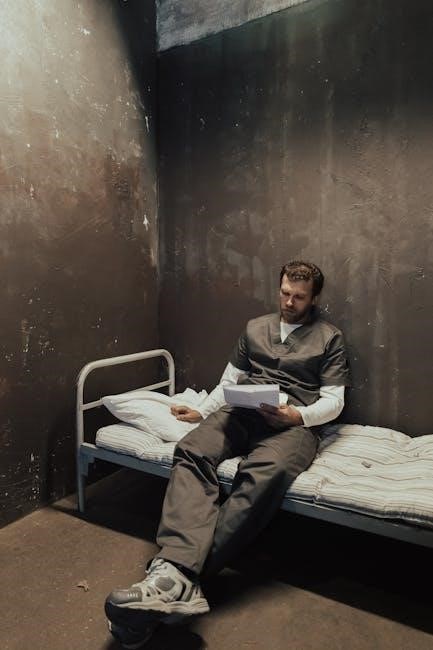
Textbook Request Trends (Reddit & Libgen)
Reddit users frequently request the 10th edition PDF, with some offering to share resources and others referencing Libgen as a potential source.
Demand for PDF Versions
The online demand for a PDF version of “Criminal Justice in America,” 10th edition, is demonstrably high, particularly evidenced by activity on platforms like Reddit. Numerous users within the r/textbookrequest subreddit have explicitly requested access to the digital textbook. These requests often follow a pattern: a user posts seeking the PDF, and others respond, sometimes indicating they possess a copy and are willing to share via direct message.
This suggests a significant desire for affordable or readily accessible learning materials. The availability of the 9th edition for free is also mentioned, potentially driving the search for the updated 10th edition in a similar format. The repeated inquiries highlight a clear need and a reliance on community-based resource sharing to overcome textbook costs.
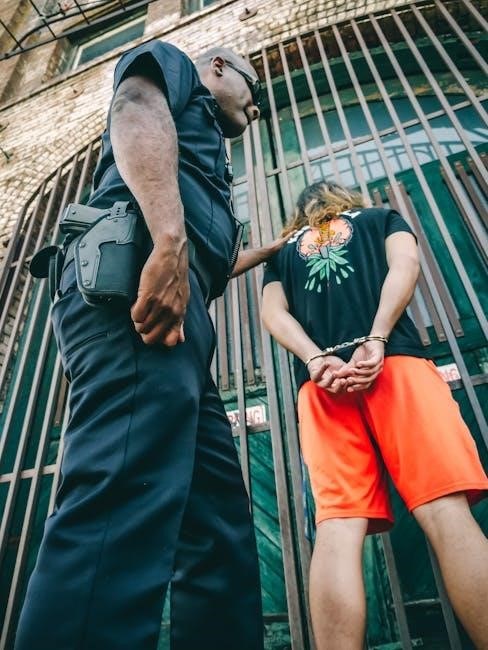
Community Sharing of Resources
A notable trend surrounding the “Criminal Justice in America” 10th edition is the active community sharing of resources, primarily observed on platforms like Reddit. Users are proactively offering and requesting access to the PDF version of the textbook, fostering a collaborative environment. Several individuals have stated they already possess the PDF and are willing to distribute it privately through direct messages to those who request it.
This behavior indicates a willingness within the student community to assist one another in accessing necessary learning materials. The exchange of resources bypasses traditional purchasing methods, suggesting a desire for more affordable options and a reliance on peer-to-peer support for academic success.
Libgen as a Source
Libgen (Library Genesis) emerges as a frequently cited source for obtaining the “Criminal Justice in America” 10th edition in PDF format. Reddit discussions explicitly mention Libgen as a potential avenue for acquiring the textbook, with one user providing a direct link – https://libgen.is/book/index.php?md50D8963BCD82A73A360958AB45966E704 – suggesting its availability on the platform.
This highlights Libgen’s role as a repository for academic texts, often offering access to copyrighted materials without formal authorization. While convenient for students seeking affordable resources, utilizing Libgen raises ethical and legal considerations regarding copyright infringement. The platform’s presence in these discussions underscores the demand for accessible educational materials and the alternative methods students employ to fulfill their needs.

Theoretical Foundations
The textbook draws from classical, positivist, and conflict criminology, offering diverse perspectives to understand crime and the American criminal justice system’s complexities.
Classical Criminology
Rooted in the Enlightenment, classical criminology, as presented within the 10th edition’s broader framework, posits that individuals possess free will and make rational choices. This perspective suggests criminal behavior arises from a cost-benefit analysis where the perceived rewards outweigh the potential punishments.
Cesare Beccaria and Jeremy Bentham, foundational figures, advocated for a fair and just legal system emphasizing proportionality in sentencing. The focus shifts from retribution to deterrence – discouraging crime through swift, certain, and proportionate penalties.
This theory influences modern criminal justice through structured sentencing guidelines and the emphasis on due process. However, the 10th edition likely explores critiques, acknowledging its limitations in explaining crimes driven by factors beyond rational calculation, such as mental illness or socioeconomic disadvantage.
Positivist Criminology

Emerging as a reaction to classical thought, positivist criminology, detailed within the 10th edition, asserts that criminal behavior is determined by factors beyond individual free will. These factors can be biological, psychological, or sociological, suggesting criminals are different from non-criminals.
Early positivists like Cesare Lombroso focused on physical characteristics, believing criminals were “born criminals.” Later developments explored psychological factors like personality traits and sociological influences like poverty and upbringing.
This perspective justifies scientific methods in studying crime, leading to rehabilitation efforts aimed at addressing the root causes of criminal behavior. The 10th edition likely examines how positivism informs modern policing strategies, correctional programs, and the pursuit of evidence-based practices.
Conflict Criminology
Conflict criminology, explored in the 10th edition, presents a critical perspective, arguing that the criminal justice system is a tool used by powerful groups to maintain social control and protect their interests. Laws are not neutral, but rather reflect the values and biases of those in power, disproportionately targeting marginalized communities.
This theory emphasizes the role of social inequality, economic disparities, and power imbalances in shaping criminal behavior. Crime isn’t seen as an individual failing, but as a consequence of systemic oppression and conflict within society.
The textbook likely examines how conflict theory explains issues like racial profiling, discriminatory sentencing, and the criminalization of poverty, prompting critical analysis of justice and fairness within the American legal system.